Want to know what happens behind the scenes?
On this page, we explore the ideas, frameworks and processes that shape Happy Headwork Community CIC. It may be particularly useful if you are a partner organisation, funder or member of our community who would like to understand more about how and why we develop our work.
However, if frameworks and processes are not your jam, that is absolutely fine. You do not need to understand any of this to take part in a Happy Headwork programme.
The thinking behind our work can sound a little heavy. The programmes themselves are light, warm and welcoming.
You can carry on down the page to explore how it all works, or skip straight to what you can expect from our programmes. The choice is yours 🙂
Juicy Psychology & Sustainable Change
On this page, we explain how Happy Headwork brings together evidence-based psychology and the principles of sustainable development.
We use them to create transformative learning programmes that support individuals and communities to make positive change, recognising that people, communities and the natural world are interconnected.
To explain our approach and where it comes from, let’s take a journey starting at the global level and bring it down to how we apply it in everyday life.
Where we are going
The United Nations Sustainable Development Goals offer a shared vision for a fairer, healthier and more sustainable world.
Climate change is an urgent priority for all of us, but it cannot be addressed in isolation. Climate action is interdependent with the other goals, including health and wellbeing, ending poverty, gender equality, reducing inequalities, strong communities and protecting nature.
The 17 goals recognise that progress in one area can support progress in others. They were adopted by all United Nations Member States in 2015 as part of the 2030 Agenda for Sustainable Development.
Explore the UN Sustainable Development GoalsIf the Sustainable Development Goals show us where we want to go, the Inner Development Goals help show us how we can get there.
How we might get there
The Inner Development Goals were developed in response to a gap. We have growing knowledge about the challenges facing people and the planet, and many of the technical solutions already exist. Meaningful change also requires the inner qualities, skills and capacities that help us respond to complexity and work together.
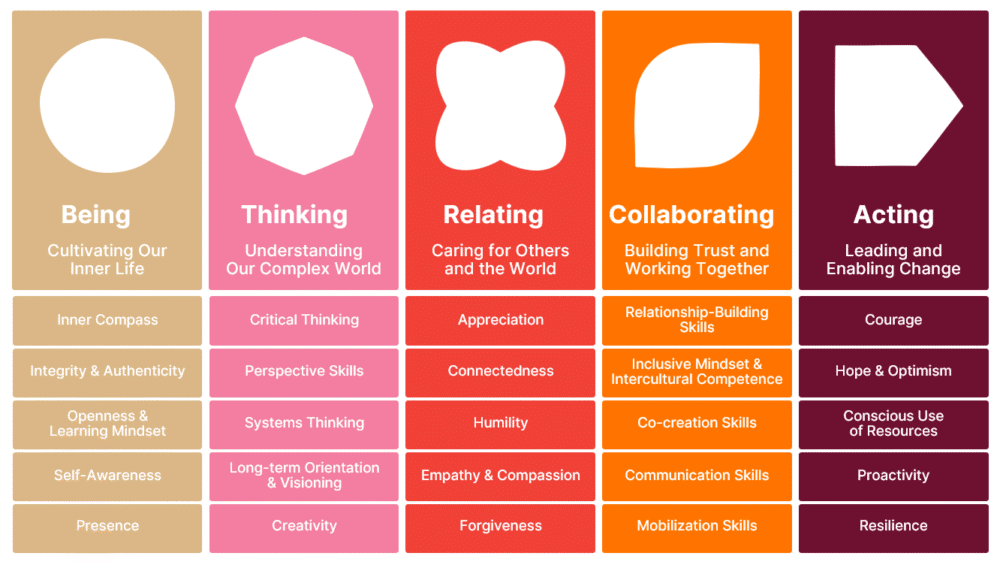
Inner Development Goals Guide. Source: Inner Development Goals.
How we use the IDGs
At Happy Headwork, we use the five IDG dimensions when designing the curriculum and learning outcomes for our programmes. Throughout the design process, we ask how the programme will support Being, Thinking, Relating, Collaborating and Acting.
These dimensions help us frame what people may learn, develop or experience. We work towards those outcomes by combining accessible, evidence-based psychology with the activities, knowledge and practical skills relevant to each programme.
Not every programme focuses equally on every dimension. The balance depends on the people involved, the context and what the programme is designed to achieve.
Explore the complete Inner Development Goals GuideHow do we support people to come on this journey?
Sustainable development can sound enormous. Our role is to connect the bigger picture with people’s everyday lives.
People live within many interconnected systems. There are many more than we show here. Our diagram presents the five areas in which Happy Headwork currently develops programmes.
Every person’s relationship with these systems is different. None of us fits neatly into one box. Our identities, circumstances, strengths and experiences intersect and influence how we experience each system.
Use the sections below to learn more about our intersectional approach and how we work through partnership and co-production.
Education & Training
& Relationships
Intersectional lens
People experience these systems in different ways.
Our experiences may be shaped by intersecting factors such as:
- Gender and gender identity
- Age
- Disability and health
- Race, ethnicity and culture
- Sexual orientation
- Religion or belief
- Income and economic circumstances
- Education and employment
- Caring responsibilities
- Migration or refugee status
- Where and how we live
These factors can combine to shape people’s experiences, strengths, opportunities and access to support.
For our programmes to be genuinely accessible and equitable, we need to understand the complexity of people’s lives rather than consider each factor separately.
We do this by listening, offering different ways to participate, considering accessibility from the beginning and adapting programmes to the communities and individuals involved.
Partnership and co-production
We design programmes collaboratively with the people they are intended for and the services and organisations that work alongside them.
This brings together lived experience, community knowledge and professional expertise to:
- Understand local needs and strengths
- Shape programme aims and outcomes
- Make programmes accessible and relevant
- Identify appropriate referral and support routes
- Learn from delivery and improve future programmes
We actively build and strengthen local partnerships with community organisations, charities, public services, primary care, researchers and other partners.
Co-production runs through the whole programme journey, from identifying a need and developing an idea through to delivery, evaluation and learning.
Juicy Psychology
We call our approach Juicy Psychology because we take useful, evidence-based ideas from neuropsychology, applied cognitive psychology, positive psychology and other relevant approaches and make them accessible.
We translate psychology into practical learning that people can understand, explore and apply in everyday life.
The psychology does not sit separately from sustainable development. It helps people develop the understanding, confidence and inner capacities that can support positive change within themselves, their communities and the wider systems around them.
Sustainable Change
For us, sustainable change means creating learning that can support lasting outcomes, during a programme and beyond it.
This may mean feeling calmer, understanding yourself differently, building confidence, strengthening relationships, developing new skills or feeling more connected to your community and the natural world.
It can also help people recognise their knowledge, value and potential to contribute to wider change. There is no pressure to take action. Each person chooses what change means for them.
How we turn our approach into programmes
Our programmes move through a collaborative design cycle. Community knowledge, lived experience, professional expertise, research and learning inform every stage.
Select any part of the cycle to learn more.
If this all sounds a bit academic…
We know.
A lot of research, psychology and sustainable development thinking has gone into creating Happy Headwork behind the scenes. But the experience of taking part is light, practical and welcoming.
What matters is what happens when we come together, whether that is online or in person, in the woods, in a group, or in one of our one-to-one coaching sessions.
Happy Headwork is a space where…
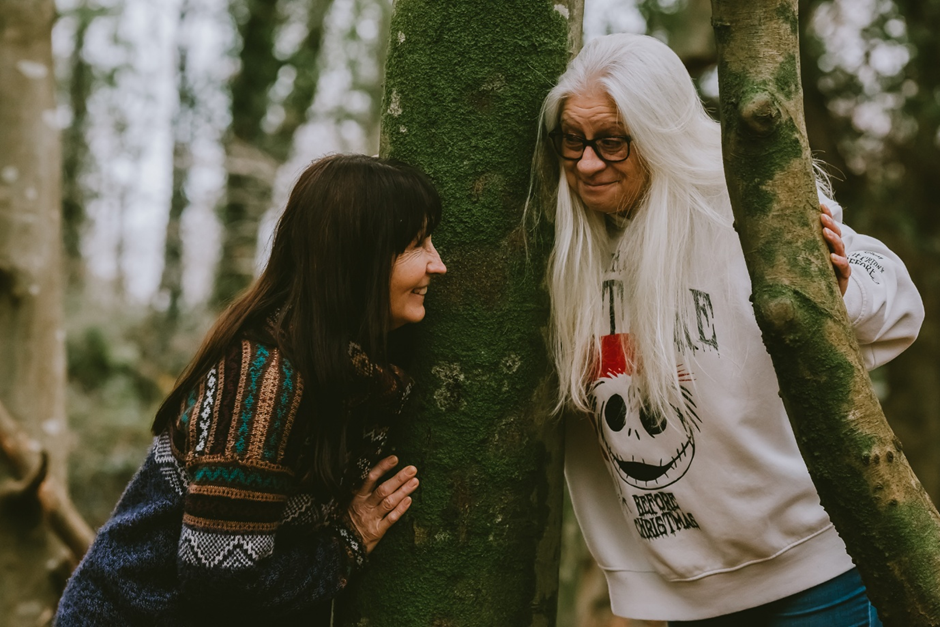 We laugh together
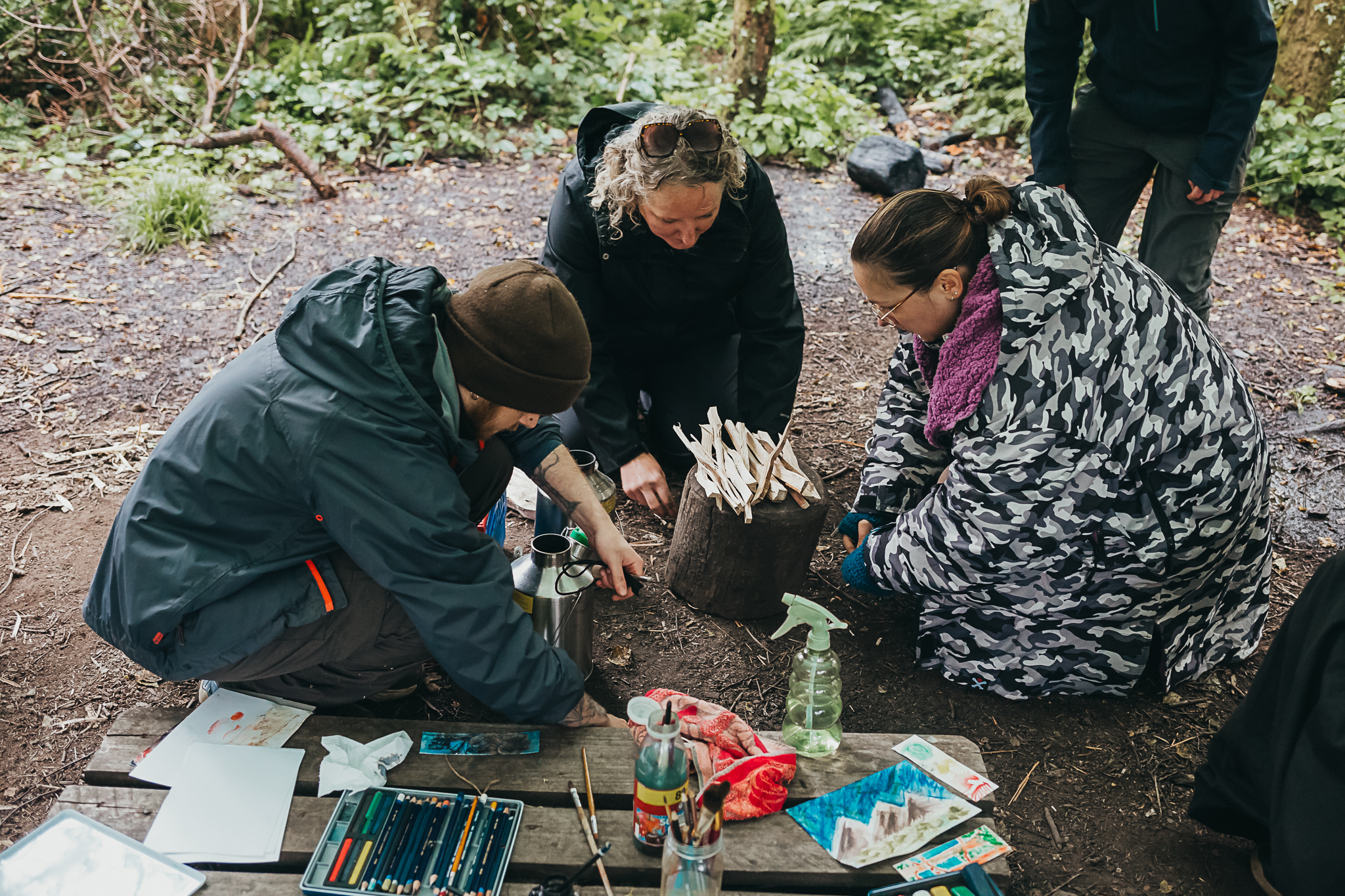 We learn by doing
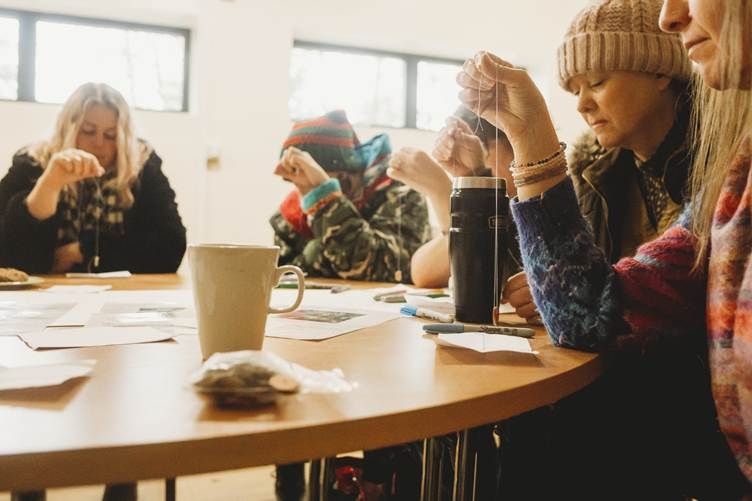 We get curious
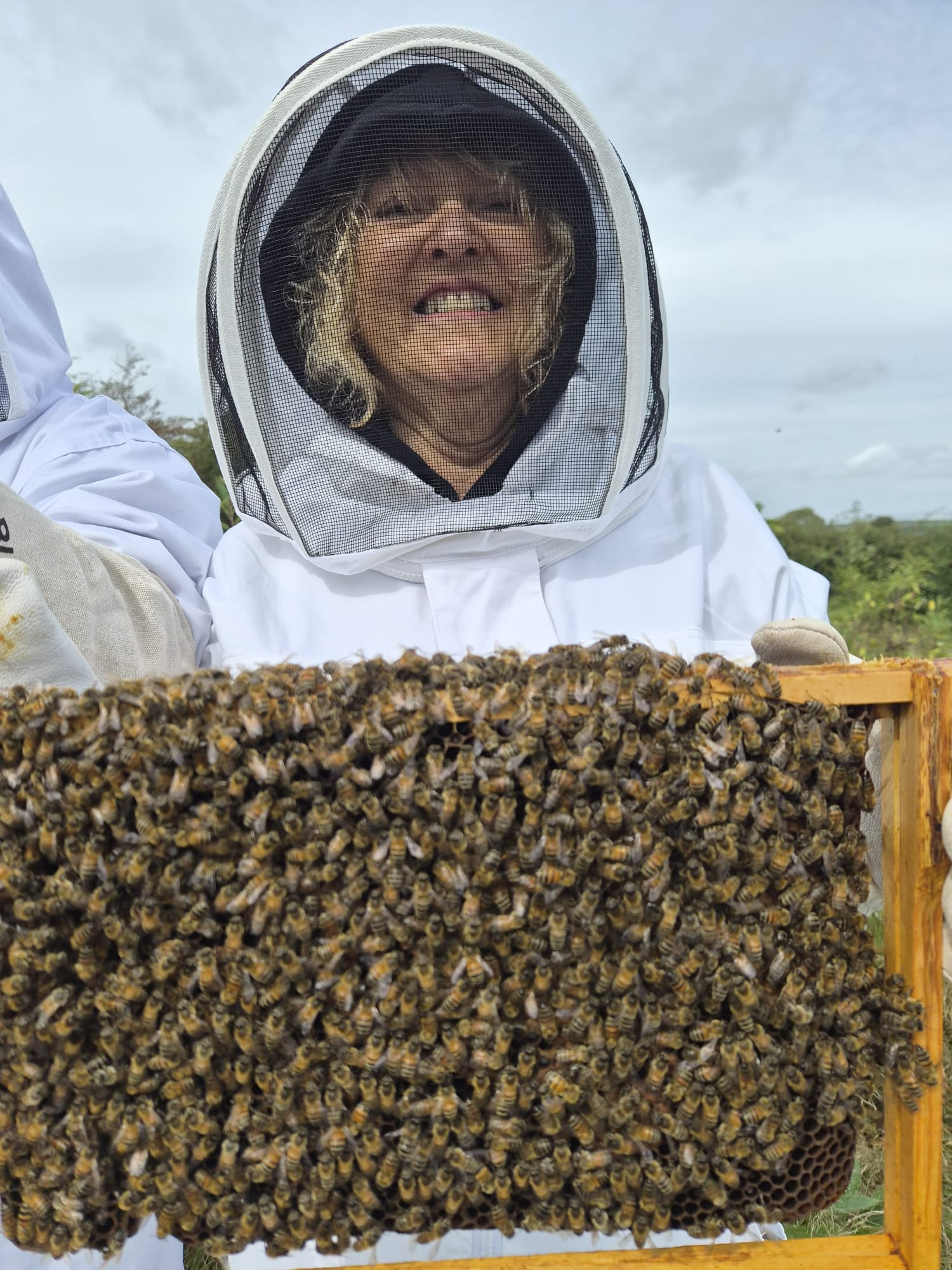 We try something new
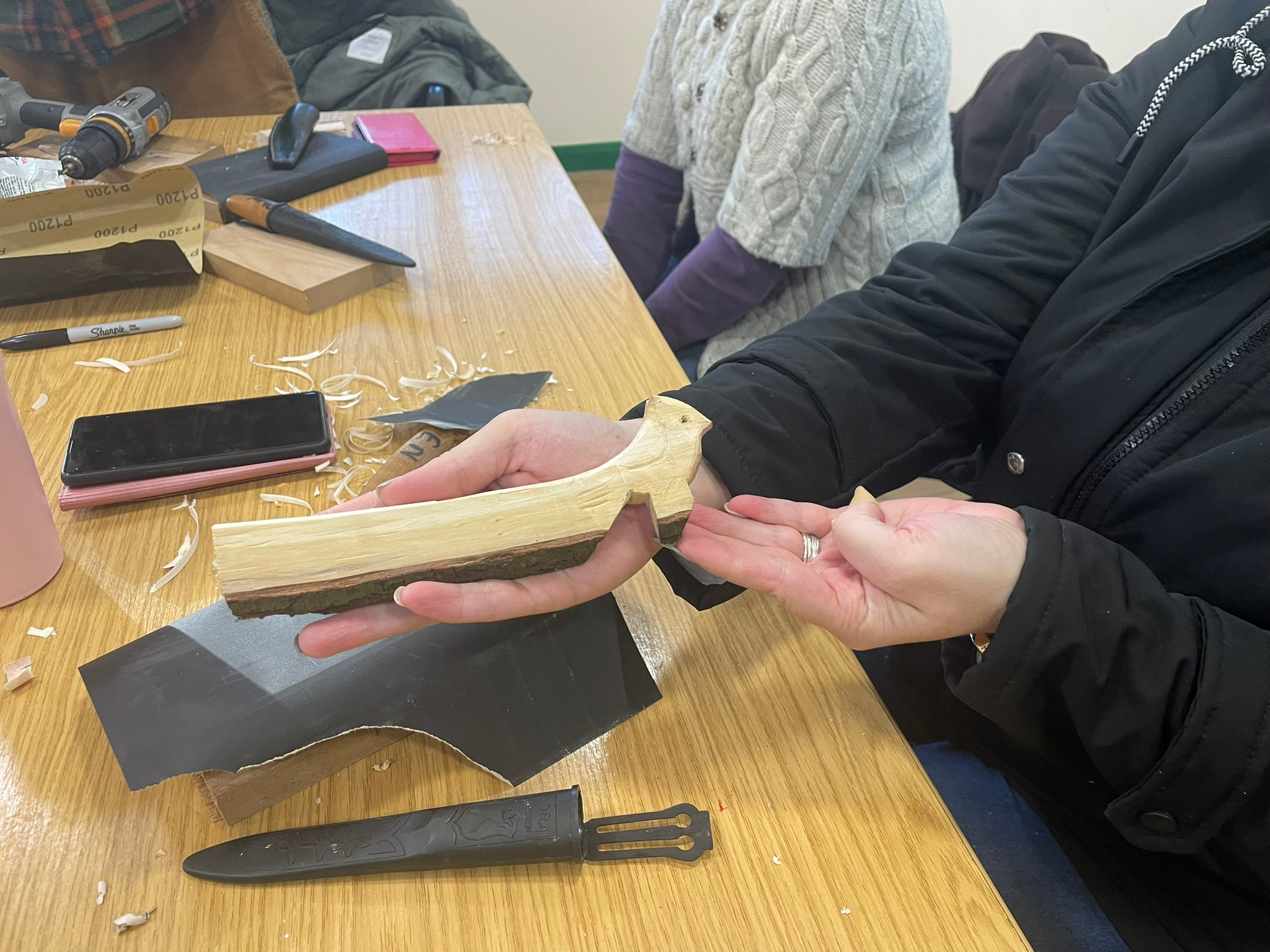 We share skills
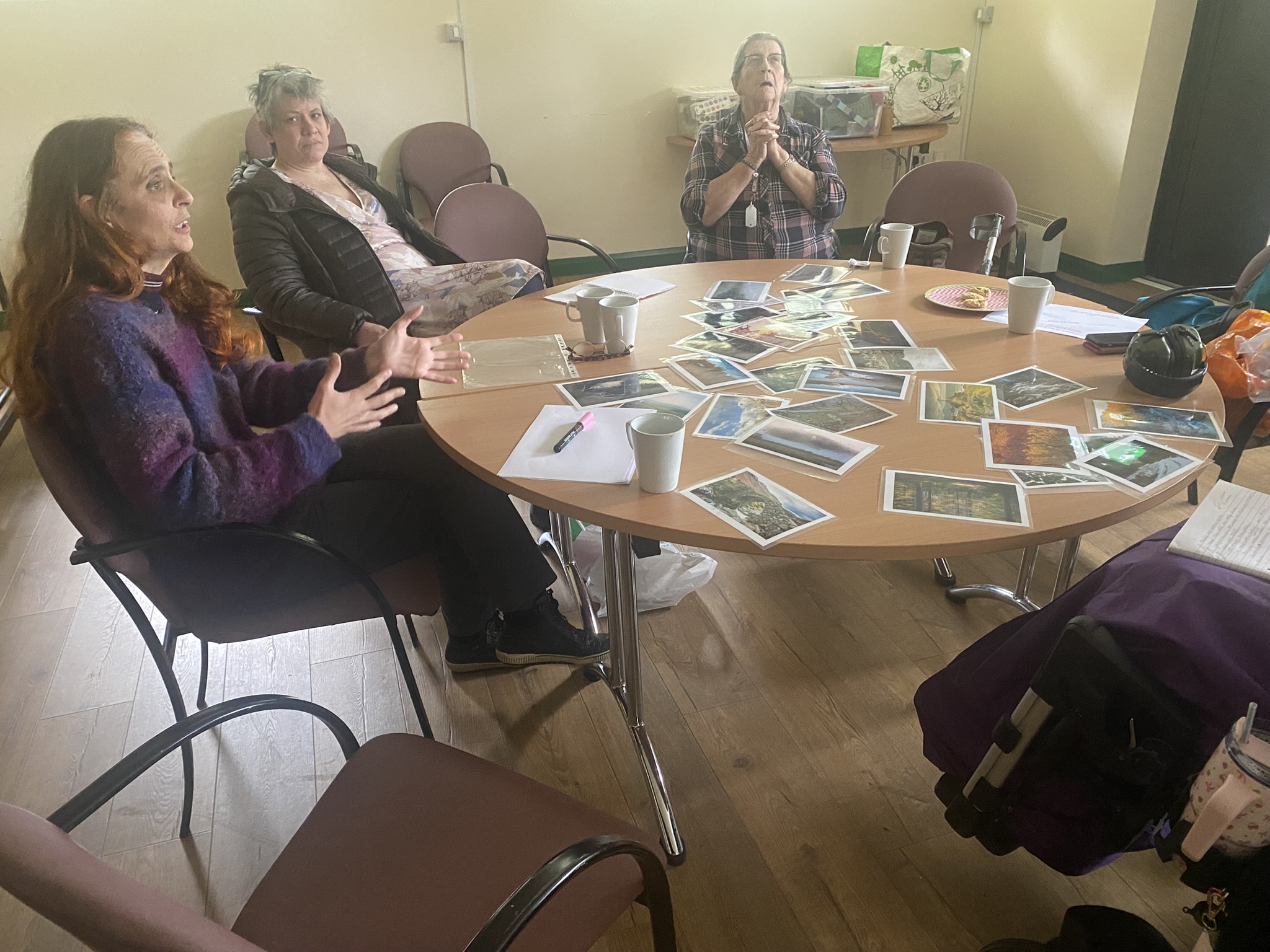 We have supportive conversations
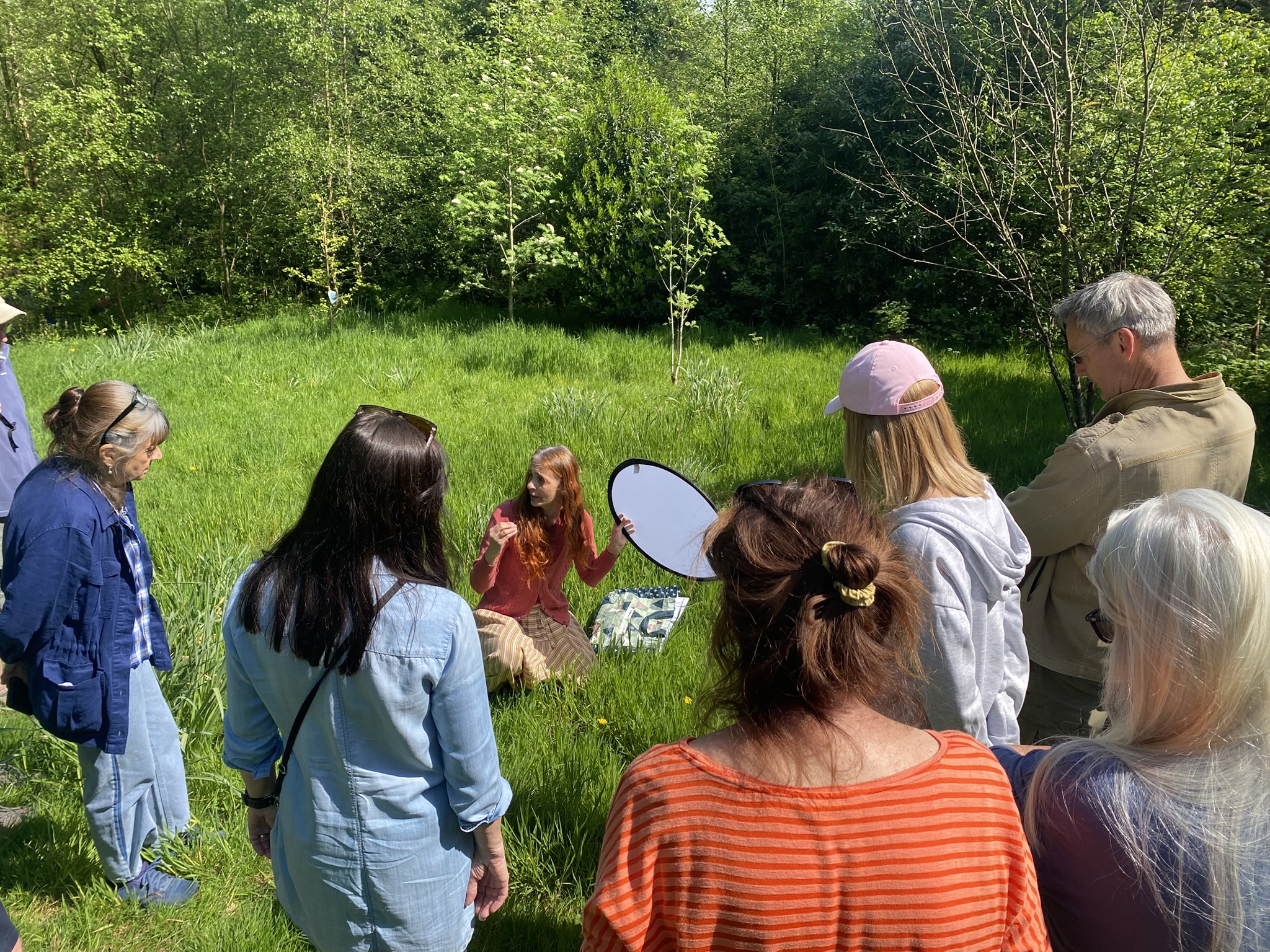 We find connection and belonging
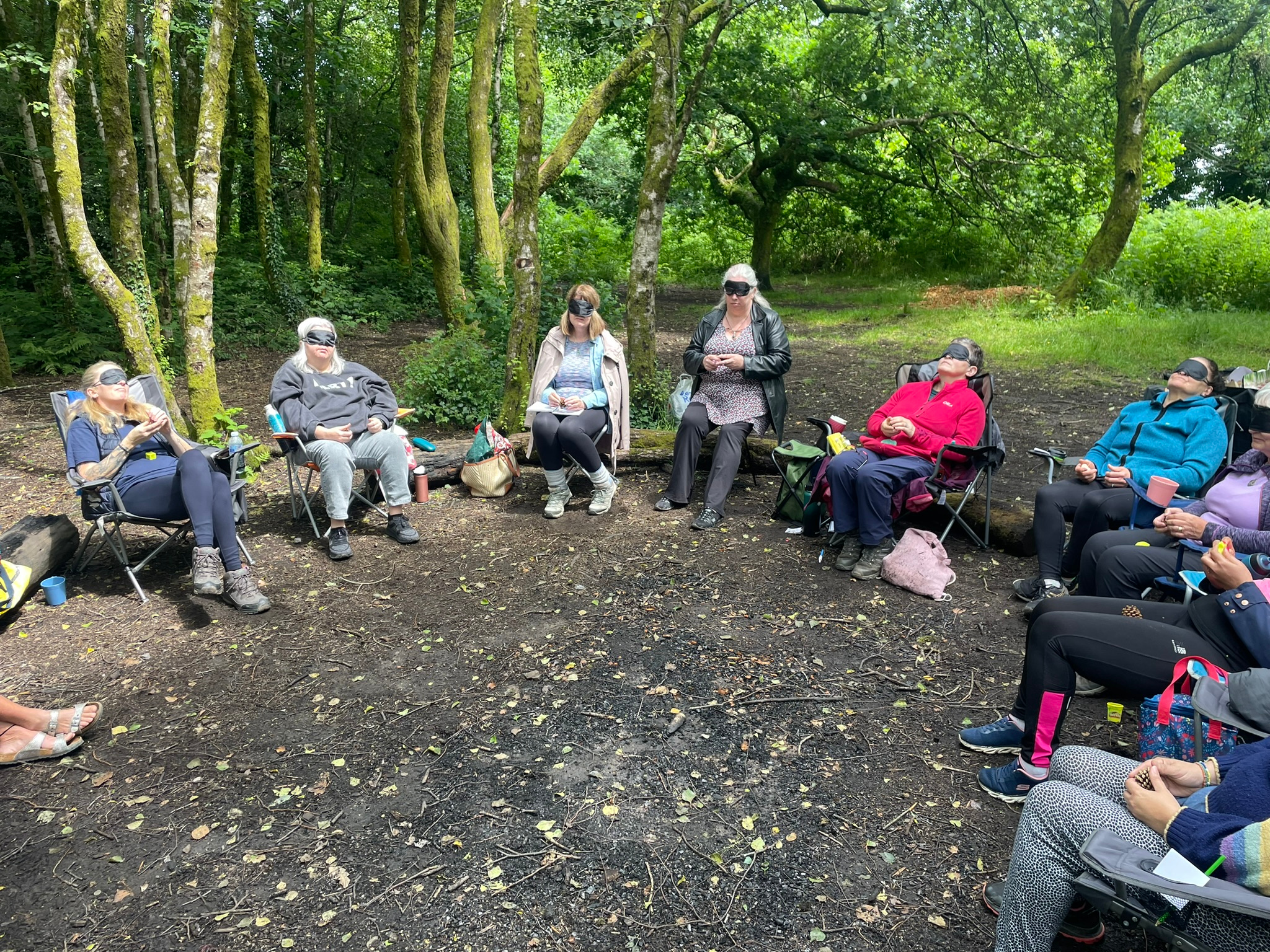 We feel safe to be quiet
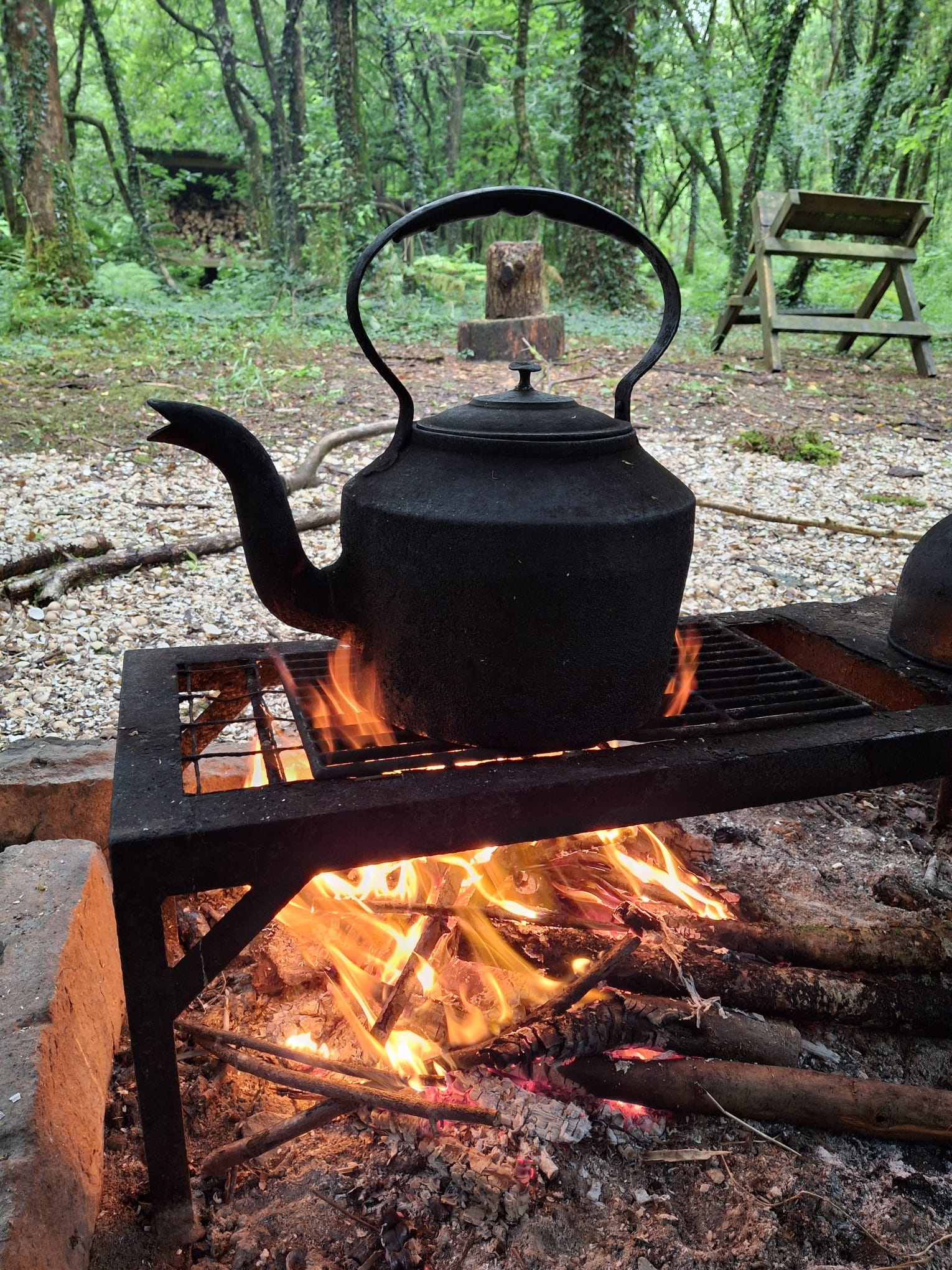 We drink tea togetherOther hot drinks are available!